
Running a fishing vessel has always required good judgement. Skippers make decisions every day about weather, tides, fishing grounds, fuel, crew and safety. Increasingly, they must also manage another essential part of vessel operations: keeping navigation information accurate, current and compliant.
Like many small fishing fleets, do you find that navigation is not managed by a dedicated shore team? It is the skipper or owner who typically makes sure charts are purchased, updated and ready for the next voyage – often while managing every other aspect of the business.
At a time when operating costs continue to rise and margins remain under pressure, fishing businesses need practical solutions that improve efficiency without adding unnecessary complexity.
That is where smarter chart management can help.
OpenC247 provides navigation chart solutions for commercial operators, including fishing vessels, helping skippers access official electronic charts, manage updates and purchase only the coverage they need. [Read our blog, why are captains of fishing vessels turning to OpenC247]
The result is a simpler way to stay legal, reduce administration and keep operating costs under control.
Why navigation compliance matters for fishing vessels
Safe fishing depends on accurate navigation. Do these problems sound familiar?
Coastlines change, hazards are identified, channels are updated and maritime authorities regularly issue corrections to official navigation charts.
Using outdated information can compromise safety and, depending on the vessel and operating requirements, may affect compliance.
For larger fishing vessels, electronic navigation requirements are evolving. The 2012 Cape Town Agreement, which covers fishing vessels of 24 metres and above, is expected to enter into force in February 2027 and will introduce new safety standards for qualifying vessels. Until then, requirements are primarily set by flag state and national regulations. Smaller commercial fishing vessels operate under different rules, but electronic navigation is becoming increasingly common as systems become more accessible and practical.
In the UK, the Maritime and Coastguard Agency (MCA) sets requirements for domestic vessels. For qualifying small commercial vessels, including fishing vessels under 24 metres, the MCA recognises suitable electronic chart systems when they meet the required standards.
The principle is straightforward: whatever the size of the vessel, skippers need reliable navigation information that is appropriate, official and up to date.
The challenge of managing charts in a small fishing fleet
Large shipping companies may have dedicated operations teams managing navigation systems and compliance.
Small fishing businesses usually do not.
For many skippers, chart management is just one more responsibility alongside:
- preparing the vessel;
- managing crew;
- maintaining equipment;
- planning fishing activity;
- monitoring weather and sea conditions;
- controlling operating costs.
The challenge is not understanding the importance of charts. It is finding a practical way to manage them efficiently.
Traditional chart purchasing methods can create unnecessary work. Operators may find themselves buying large chart collections when they only require a limited area of coverage, managing multiple licences or paying for services that do not match the way they actually operate.
For fishing vessels, where routes and operating areas can change, flexibility matters.
Why fishing vessels need a smarter approach to chart purchasing
Navigation charts are a safety-critical investment, but the way they are purchased has not always reflected the needs of smaller operators.
A vessel working in one area may not need a complete regional portfolio. A seasonal operator may not want a subscription that continues when it provides little value. A skipper preparing for a particular voyage may simply want access to the correct charts quickly and efficiently.
This is where a more flexible approach can make a difference – and step in OpenC247.com.
Instead of paying for unnecessary coverage, you can select the charts required for your intended route and operating area.
This helps reduce wasted expenditure while ensuring each vessel has access to the navigation information it needs.
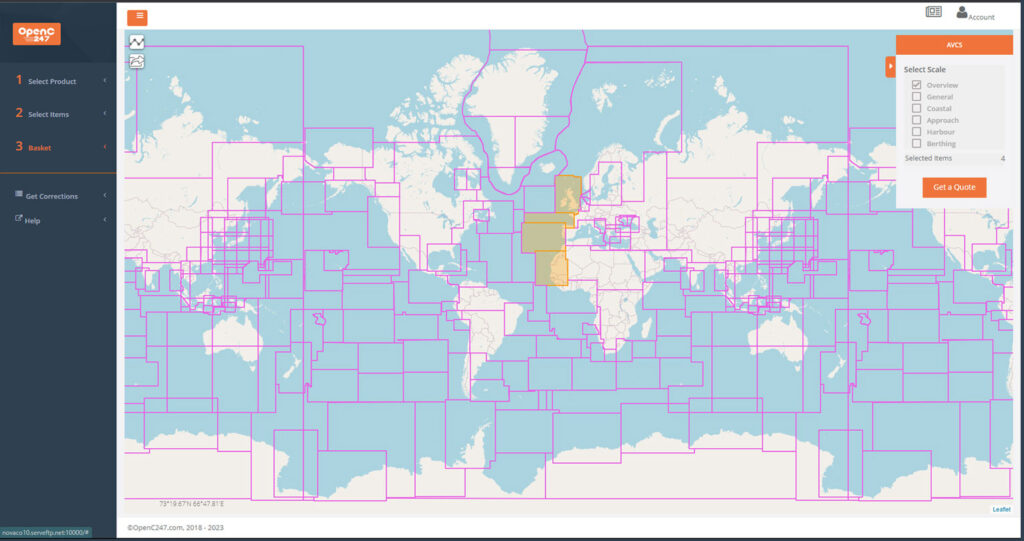
How OpenC247 helps fishing fleets navigate smarter
OpenC247 is designed to simplify navigation chart management for commercial operators.
Rather than replacing onboard navigation equipment, it provides a straightforward way to source and manage official electronic navigation charts.
Purchase only the charts you need
Fishing grounds and operating areas change. A flexible chart purchasing approach allows skippers to select the charts required for their actual voyage rather than committing to larger chart packages that may not be used.
For smaller fleets, this means greater control over navigation costs.
Reduce the administration of chart management
Chart management should support operations, not distract from them. OpenC247 simplifies the process of finding, purchasing and managing digital navigation charts, reducing the time spent dealing with chart procurement and administration.
For skippers who already manage multiple aspects of vessel operations, reducing unnecessary paperwork has a direct practical benefit.
Keep electronic charts updated
Electronic navigation depends on current information. Official electronic navigation charts require regular corrections and updates to ensure they reflect the latest available data.
OpenC247 provides access to chart updates and corrections, helping operators maintain accurate navigation information and prepare confidently for each voyage.
Support existing navigation workflows
Many operators have already invested in onboard navigation equipment.
OpenC247 is designed to work alongside compatible navigation systems, allowing vessels to improve how they manage charts without necessarily replacing existing hardware.
This makes it easier for smaller operators to benefit from digital chart management without taking on unnecessary cost or complexity.
Keeping fishing operations lean
Efficiency matters in commercial fishing. Reducing costs is not only about finding cheaper equipment or supplies. It is also about removing unnecessary processes and making everyday operations easier to manage.
Smarter navigation chart management can help by:
- avoiding unnecessary chart purchases;
- reducing administration;
- improving access to current chart information;
- supporting regulatory compliance;
- giving skippers greater confidence before departure.
For a small fishing business, saving time can be just as valuable as saving money.
The future of navigation software for fishing vessels
Navigation software for fishing vessels is becoming increasingly important as operators look for practical ways to combine safety, compliance and efficiency.
The best solutions are not necessarily the most complicated. They are the ones that fit the reality of operating a vessel.
Fishing businesses need navigation tools that help them:
- access official electronic charts;
- plan and prepare voyages efficiently;
- maintain up-to-date navigation information;
- manage costs;
- spend less time on administration.
OpenC247 provides a practical approach to modern fishing vessel navigation by making official chart management simpler, more flexible and more accessible.
For skippers looking to stay legal while keeping operations lean, smarter chart management is an important part of running a safer and more efficient fishing business. It takes moments to register and start using the intuitive cloud-based software at no cost. ou only pay when you need charts or publications. Register here.
Frequently asked questions
What is the best navigation software for fishing vessels?
The best navigation software for a fishing vessel depends on the vessel size, operating area, regulatory requirements and existing onboard equipment. Many fishing operators look for solutions that provide official electronic navigation charts, simple chart management, reliable updates and compatibility with their current navigation systems.
OpenC247 helps fishing vessels manage official electronic charts more efficiently by simplifying chart purchasing, licensing and updates.
Do fishing vessels need electronic navigation charts?
Many commercial fishing vessels use electronic navigation charts as part of their navigation arrangements. The exact requirements depend on vessel size, flag state regulations and applicable maritime rules.
Where electronic charts are used, operators should ensure they are using appropriate official chart data and keeping it updated.
Do fishing vessels need ECDIS?
Not all fishing vessels are required to use ECDIS. Requirements depend on factors including vessel size, type, flag state and applicable national regulations.
Fishing vessels are excluded from SOLAS, so the ECDIS carriage requirements that apply to merchant ships do not apply to them. The 2012 Cape Town Agreement, covering fishing vessels of 24 metres and above, is expected to enter into force in February 2027 and may introduce new equipment standards. Until then, ECDIS requirements for fishing vessels are determined by flag state and national rules rather than international mandate.
Can fishing vessels buy navigation charts without a subscription?
Yes. Some operators prefer a flexible approach where they purchase the charts they require rather than committing to ongoing subscriptions.
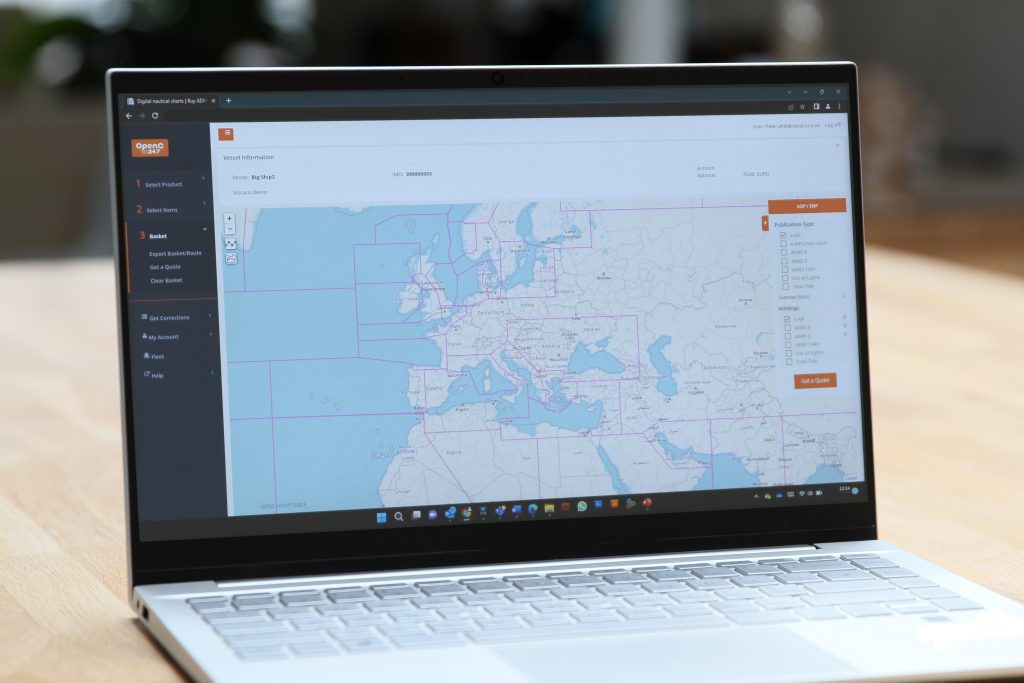
OpenC247 supports route-based chart purchasing, allowing operators to select the official electronic charts needed for their voyages.
How often should navigation charts be updated?
Navigation charts should be kept current using the latest available corrections and updates. Hydrographic authorities issue updates when changes affect navigation information, such as new hazards, amended channels or updated survey data.
Keeping charts updated helps support safer navigation and regulatory compliance.
What charts do commercial fishing vessels need?
The charts required depend on where the vessel operates, the type of navigation system used and the applicable regulations.
Commercial fishing vessels typically require official navigation charts covering their operating areas, together with any required updates and corrections.
Can OpenC247 work with existing fishing vessel navigation equipment?
OpenC247 is designed to support compatible existing navigation systems by simplifying access to official electronic navigation charts and chart management.
This allows operators to improve their navigation workflow without necessarily replacing existing onboard equipment.
How can fishing fleets reduce navigation costs?
Fishing fleets can reduce navigation costs by purchasing only the charts they need, avoiding unnecessary subscriptions, reducing administrative workload and improving the efficiency of chart management.
A smarter approach to navigation procurement helps smaller operators control costs while maintaining safe and compliant operations.
References
International Maritime Organization (IMO), Electronic Chart Display and Information Systems (ECDIS)
UK Hydrographic Office (UKHO), Admiralty Electronic Navigational Charts (ENCs)
OpenC247, fishing vessel navigation resources and product information
International Maritime Organization (IMO), 2012 Cape Town Agreement on Fishing Vessel Safety