Running a small fleet means wearing every hat on the ship. You’re managing crew, watching fuel costs, chasing compliance deadlines, and somehow still expected to find time for the actual business of moving cargo or guests from A to B. Unlike the shipping giants with dedicated procurement departments and volume discounts, every pound spent on charts and publications comes directly off your bottom line.
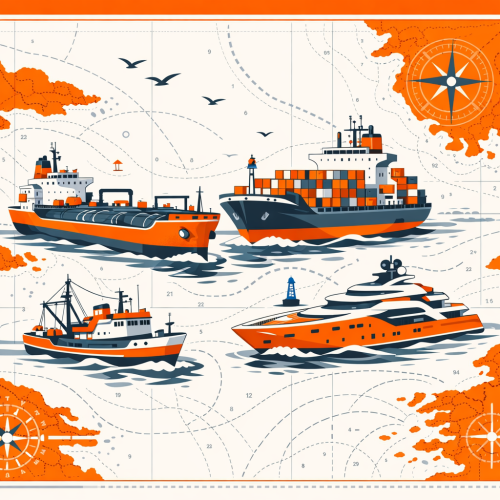
This blog is for you – whether you’re operating a handful of tankers, managing a small container fleet, running commercial fishing vessels over 24 metres, or coordinating a charter fleet of superyachts.
The challenges are remarkably similar: tight budgets, complex regulations and the constant pressure to do more with less. The good news? There’s a smarter way to handle navigation procurement that cuts costs without compromising safety or compliance.
What do we mean by ‘small fleet’?
Before diving in, let’s be clear about who we’re talking to. A ‘small fleet’ typically means:
Commercial vessels: Commercial vessels like tankers, container ships, bulkers, supply vessels, and ferries – usually between one and ten vessels under single management. These operators face the same SOLAS and IMO requirements as the major shipping lines but without the economies of scale.
Fishing vessels: Commercial trawlers and fishing fleets over 24 metres that require ECDIS and full regulatory compliance.
Charter superyacht fleets: Management companies operating multiple motor or sailing yachts over 24 metres for commercial charter. While each yacht might seem independent, the operational reality – shared crews, collective budgeting, coordinated compliance – makes them a fleet in every practical sense.
What unites these operators?
· You all need certified charts and publications.
· You all face regulatory scrutiny.
· You all feel the squeeze when traditional chart procurement eats into margins that are already razor-thin.
The hidden costs draining small fleet budgets
Ask any small fleet manager where their money goes, and fuel tops the list. But navigation costs? They’re often dismissed as “just part of doing business” – until you add up the true expense.
The subscription trap
Traditional chart services love subscriptions. Pay annually, get access to everything, simple. Except it isn’t simple when you’re running three vessels on predictable regional routes. You’re paying for global coverage you’ll never use, locked into contracts that assume your operations won’t change, and watching money disappear into charts for ports you’ll never visit.
For small fleets, subscription models are built for someone else’s business. You need flexibility, not a one-size-fits-all package designed for operators with fifty vessels and routes spanning every ocean.
The 3am problem
Your vessel is approaching a port, and the captain realises they need an updated chart for the approach. It’s 3am in whatever timezone your chart agent operates. The agent’s office opens in six hours. The vessel arrives in four.
Traditional chart procurement assumes the maritime world operates on office hours. It doesn’t. Ships move across time zones constantly, and the need for charts doesn’t pause because someone’s gone home for the evening. Every delay costs money – in port fees, in schedule disruptions, in stress on crew who should be focused on navigation rather than chasing paperwork.
The duplication disaster
Without centralised tracking, small fleets routinely pay for the same charts multiple times. Different vessels, different voyages, different purchasing moments – but the same chart bought again and again. Poor record-keeping across vessels means money walks out the door repeatedly, and nobody notices until the annual accounts reveal the waste.
The compliance clock
SOLAS and IMO regulations aren’t suggestions. Port State Control inspectors can detain vessels that can’t demonstrate current, certified charts and proper documentation. For small fleets, a detention doesn’t just cost the fine – it disrupts schedules, damages client relationships, and can spiral into reputational harm that takes years to repair.
The administrative burden of maintaining compliance – tracking corrections, updating publications, preparing audit documentation – pulls crew away from their primary duties. When your first officer spends hours on chart administration instead of navigation, you’re paying skilled wages for clerical work.
What captains actually worry about
The research is clear: captains and fleet managers share a consistent set of concerns when it comes to navigation procurement. Understanding these pain points reveals why traditional approaches fail small operators.
“Are my charts actually up to date?”
This question keeps navigators awake at night. Missing a Notice to Mariners correction might seem minor until an inspector finds it – or worse, until it affects a voyage. The manual process of tracking weekly corrections across multiple chart folios is tedious, error-prone and absolutely critical.
“Why does everything take so long?”
Ordering charts shouldn’t require emails, phone calls and waiting for confirmation. Yet traditional procurement often involves multiple touchpoints, approval chains and delays that seem designed for a pre-digital era. When you need charts, you need them now – not when someone gets back from lunch.
“Am I even buying the right charts?”
Manually cross-referencing routes with chart catalogues invites errors. Miss one chart and you’re non-compliant. Buy too many and you’ve wasted budget. The process of ensuring complete coverage without over-purchasing requires expertise and time that small fleet operators often can’t spare.
“Why am I paying for charts I don’t need?”
Subscription models and minimum purchase requirements force small fleets to buy coverage they’ll never use. When every penny matters, paying for charts covering regions you don’t sail feels like throwing money overboard.
“What happens during inspection?”
The stress of Port State Control visits often exceeds the actual risk. But that stress is real, and it stems from uncertainty: Can we prove our charts are current? Is our documentation in order? Will the inspector find something we’ve missed? For small fleets without dedicated compliance staff, inspections loom large.
A smarter approach: navigation procurement that fits small fleet realities
What if chart procurement worked the way small fleets actually operate? What if you could access what you need, when you need it – without subscriptions, contracts or office-hours limitations?
This is where OpenC247 changes the equation. Rather than forcing small operators into systems designed for shipping giants, OpenC247 offers a model built around flexibility, transparency and real-world maritime operations.
Pay only for what you actually need
The principle is simple: no subscriptions, no contracts, no minimum commitments. Plot your route, see exactly which charts you need, purchase only those charts. Your budget reflects your actual operations rather than some theoretical global coverage you’ll never use.
For a small tanker fleet running consistent routes between Northern Europe and the Mediterranean, this means paying for Mediterranean and North Sea coverage – not subsidising charts for the South Pacific. For a charter yacht fleet, it means purchasing charts voyage-by-voyage as client itineraries change, rather than guessing what destinations might be popular next season.
24/7 access from anywhere
Maritime operations don’t observe office hours, and neither should chart procurement. OpenC247 provides access via PC, smartphone or tablet around the clock. When your captain needs charts at 3am mid-Atlantic, they can purchase and download them immediately – no waiting for agents, no timezone complications.
This isn’t just convenience; it’s operational continuity. Delays in chart procurement become delays in vessel operations, and delays cost money. Instant access eliminates that friction entirely.
Automatic route-based chart selection
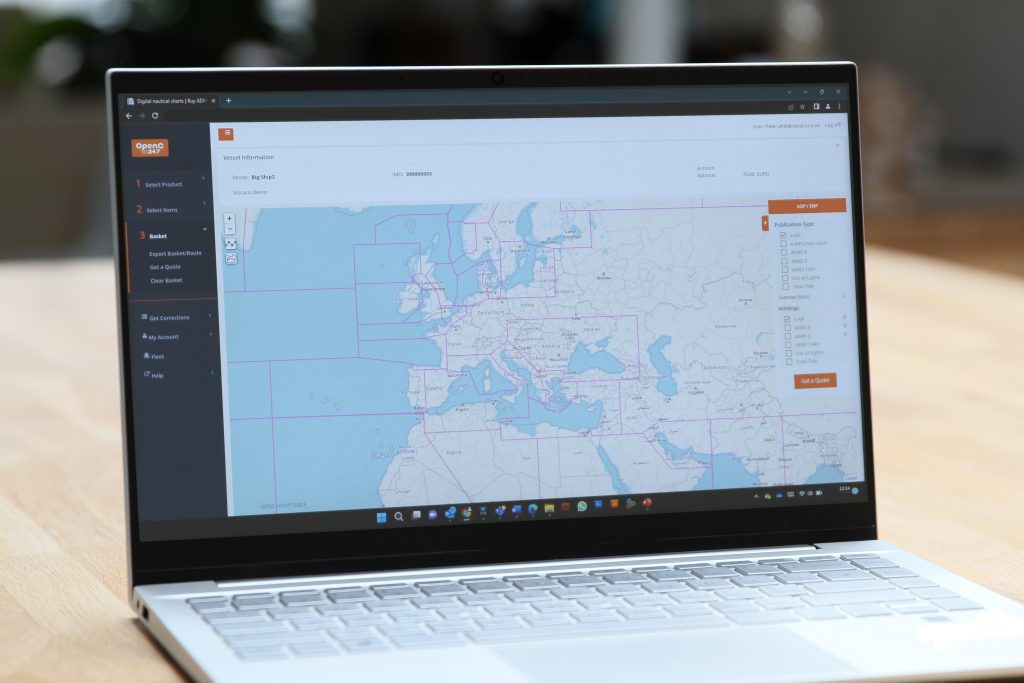
Human error in chart selection creates two problems: missing charts mean compliance failures, while excess charts mean wasted budget. OpenC247’s route plotting tools solve both by automatically identifying every chart required for your planned voyage.
You can plot or import your route directly from existing ECDIS or voyage planning software, and the system shows you exactly what’s needed – visually, clearly, with no guesswork. Complete coverage without over-purchasing. The right charts, every time. You also control how long you want the charts licenced for: 3, 6 or 12 months.
No more paying twice
OpenC247 remembers what you’ve already purchased. When planning a new voyage, you’ll see which charts you already own and which require purchase. No more duplicate spending, no more budget disappearing into repeated purchases across vessels or voyages.
For fleet managers coordinating multiple vessels, this visibility transforms budget management. You can see exactly what’s been purchased by a vessel and when.
Free updates and corrections
Weekly ENC corrections and updates come included at no additional cost for the life of a chart’s licence. The administrative burden of tracking and applying corrections disappears. Your charts stay current, your compliance stays solid, and your crew stays focused on navigation rather than paperwork.
Compliance built in
Digital logs, certified sources, and audit-ready documentation make Port State Control inspections straightforward rather than stressful. When inspectors ask for proof of chart currency, you’re not digging through filing cabinets – you’re presenting clean digital records that demonstrate compliance instantly.
OpenC247 is a way to support your SOLAS/IMO regulations and Red Ensign Group Yacht Code requirements. Whatever regulatory framework applies to your vessels, the platform helps you meet it.
Flexibility for mixed operations
Most vessels are fully ECDIS-equipped. But we know that some – especially yachts or smaller vessels – still rely on paper charts. Some operations require both. OpenC247 accommodates this reality with instant digital delivery for ENCs and global paper chart delivery to any port.
This flexibility matters for small fleets where vessel configurations vary and operational requirements differ. One platform handles everything rather than fragmenting procurement across multiple suppliers with different systems.
The real benefits of OpenC247: what changes when you chart smarter
Switching from traditional chart procurement to a pay-as-you-go model like OpenC247 delivers tangible benefits that compound over time.
Direct cost reduction
Stop paying for charts you don’t use. Stop paying subscription fees for coverage you don’t need. Stop paying twice for the same charts. These savings add up quickly, particularly for small fleets where every expense receives scrutiny.
The transparent pricing model also improves budget forecasting. When you know exactly what charts cost and can predict voyage-by-voyage expenses, financial planning becomes more accurate and surprises become rare.
Crew time reclaimed
When chart procurement takes minutes instead of hours, your crew can focus on their actual jobs. First officers navigate instead of administering. Captains plan voyages instead of chasing paperwork. The hidden cost of crew time spent on manual procurement disappears.
Compliance confidence
The stress of inspections diminishes when you know your charts are current, your documentation is solid, and proof is available instantly. Compliance shifts from a source of anxiety to a more routine matter.
Operational agility
When chart procurement happens instantly, operational flexibility increases. Last-minute route changes don’t trigger procurement crises. New charter destinations don’t require frantic agent calls. Your operations become more responsive to opportunities and challenges because navigation procurement is no longer a bottleneck.
Making the switch: practical steps for small fleet operators
Transitioning to smarter chart procurement doesn’t require wholesale operational changes. The process is straightforward:
1. Register and explore: OpenC247 is free to use. You only pay for charts and publications you purchase. Registration takes about 60 seconds, and you can explore the platform’s route plotting tools immediately.
2. Import your routes: If you’re already using voyage planning software or ECDIS, import your routes directly or simply plot them using the platform. See exactly which charts you need for your current operations.
3. Compare costs: Before committing, compare what you’d pay under the OpenC247 model versus your current subscription or procurement costs. For most small fleets, the savings become obvious quickly.
4. Start with one voyage: Test the system on a single vessel or voyage. Experience the 24/7 access, the automatic chart selection, the instant delivery. Let the platform prove its value before rolling out fleet-wide.
5. Train your team: The interface is intuitive, but ensuring all relevant crew members understand the system maximises the benefits. When any authorised user can procure charts from any device at any time, operational flexibility reaches its full potential. Payment is simple – by credit card.
H2: The bottom line: chart smarter, not harder
Small fleet operators face enough challenges without navigation procurement adding unnecessary cost and complexity.
Chart smarter, and the savings follow.
Ready to see how much you could save? Register free at OpenC247.com and explore the platform’s route plotting and chart selection tools. No subscription, no commitment – just smarter navigation procurement for small fleet realities.